When it comes to taking care of your eyes, two common terms often come up—vision screenings and eye exams. While they may sound similar, they serve very different purposes in ensuring eye health. Understanding the difference between eye exam vs vision screening two can help you make informed decisions about your eye care.
What is Vision Screening?
One affordable and quick approach to find possible visual issues is vision screening. Usually carried out by professional volunteers, pediatricians, or school nurses, these tests seek to find eye problems that can impede daily activities, especially in children. Vision screenings typically involve simple tests such as reading an eye chart, using a photo screener, or performing a basic visual acuity test. These tests quickly identify common visual disorders like astigmatism, farsightedness (hyperopia), and nearsightedness (myopia).
Vision tests abound in community health fairs, corporate wellness programs, and regular primary care office visits in addition to school environments. Although vision tests can highlight problems such nearsightedness, farsightedness, and astigmatism, they do not offer a complete picture of eye condition or identify certain diseases.
What is an Eye Exam: Vision Screening vs Eye Exam?
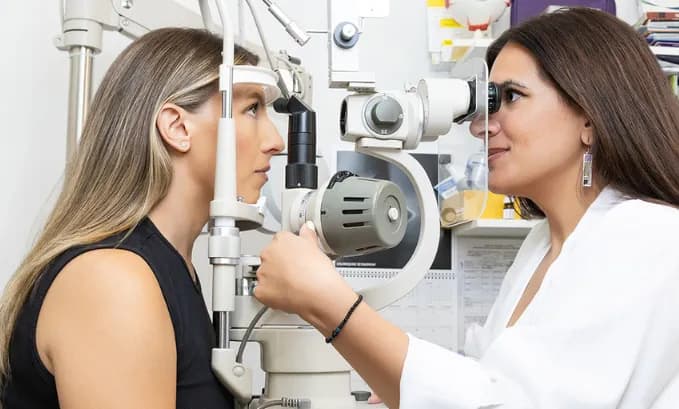
Conversely, an eye exam is a comprehensive assessment carried out under direction by an optometrist. Beyond simple vision testing, eye checkups evaluate general eye health and point up any underlying medical issues. Visual acuity tests, refraction evaluations, retinal, optic nerve, and eye pressure tests are among the several tests performed in an eye exam. Additionally available are advanced diagnostic instruments like fundus photography and optical coherence tomography (OCT).
Usually incorporating multiple different techniques to provide a thorough picture of the state of the eye, eye exams are meticulous and methodical. A dilated eye exam lets the eye care practitioner thoroughly check the retina and optic nerve; a slit-lamp examination lets the practitioner examine the front of the eye under great magnification. From basic refractive errors to major diseases such glaucoma, macular degeneration, and diabetic retinopathy, eye exams can identify a great variety of problems.
Advantages and Disadvantages: Vision Screening vs Eye Exam
Vision Screening
Advantages:
- Vision tests are generally free or low-cost and quite easily available. Schools, community centers, and primary care offices are just a few of the places they might be carried out. Large populations can more easily get first eye assessments because to this general availability without the requirement for specific tools or staff.
- Large gatherings, particularly those including youngsters in school environments, would find these quick and convenient screens appropriate. The simplicity and speed of vision screenings allow for the evaluation of many people in a short time, making them highly effective in resource-limited settings or crowded examination environments.

Disadvantages:
- Vision tests have limited scope and can overlook major eye health problems. Their main concentration is on spotting vision abnormalities; they might not find underlying medical conditions. Screenings for glaucoma, macular degeneration, or other eye illnesses requiring more thorough examination techniques could not find early symptoms, for example.
- Relying just on vision tests can create a false sense of security since they do not substitute thorough eye exams and might ignore major problems. Those who pass a vision screening could believe their eyes are OK, thereby perhaps postponing required treatment for diseases not found.
Eye Exams: Vision Screening vs Eye Exam
Advantages:
- Eye exams offer a thorough assessment of general eye health as well as vision, so pointing out issues that vision tests would overlook. These tests evaluate both internal and external eye structures as well as a variety of ocular and systemic disorders.
- Early Detection of disorders in Eye Exam vs Vision Screening: Eye tests help to identify early symptoms of systemic disorders as diabetes and hypertension, therefore enabling timely treatment and improved outcomes. Frequent eye exams can identify minor changes in eye health that point to the beginning of major diseases, so allowing early action to stop progression and protect vision.
Disadvantages:
- Time and Money: Eye exams could take more time and money than vision tests. They might not be as easily accessible in every community and typically call for a visit to an eye care specialist. Some people find the cost of thorough eye exams prohibitive, especially those without insurance or with limited means of income.
- Accessibility: Not everyone has simple access to eye care providers, particularly in rural or underprivileged locations, which can restrict the availability of thorough eye tests. In some areas, there can be a dearth of eye care professionals, which would make it challenging for people to schedule frequent, exhaustive eye exams.
Comparing the Advantages and Determining Vision Screening vs Eye Exam
When debating “eye exam vs vision screening,” one should carefully analyze the benefits of both approaches. Particularly in environments where thorough eye care may not be immediately available, vision tests help to rapidly spot possible visual disorders. Especially in youngsters, they are a crucial first step in identifying visual difficulties and can inspire more research should abnormalities be found.
Still, eye exams are absolutely essential for a complete knowledge of eye health and early diagnosis of major diseases. They offer a whole assessment that can spot underlying medical conditions affecting vision and general health in addition to refractive problems.
Which is Better for You: Vision Screening vs Eye Exam?
Individual need and situation will determine if vision screening or an eye test is more appropriate. These elements should help you or your family decide which alternative suits them best:
- Time and Risk Factors in Eye Exam vs Vision Screening: Age Vision tests help children and teenagers a lot, particularly in educational environments to identify vision issues early on and guarantee they won’t affect their growth or learning. Adults should give thorough eye exams first priority, though, particularly those with risk factors including diabetes, hypertension, or a family history of eye disease.
- If you have symptoms including blurred vision, eye pain, floaters, or regular headaches, a thorough eye exam vs vision screening will help to identify and treat the underlying problem.
- Those who have a history of eye problems or systemic illnesses that could compromise the eyes (such as diabetes or hypertension) should undergo frequent eye exams to track their eye status and identify any early abnormalities.
- Frequency of Check-ups Vision Screening vs Eye Exam: Particularly for those who do not have quick access to an eye care practitioner, vision tests might be a good temporary solution between thorough eye exams. They should not, however, replace routine eye exams as component of a complete eye health plan.

Conclusion: Eye Exam vs Vision Screening
Making wise decisions regarding eye care depends on knowing the differences between eye exam vs vision screening , for people at risk for eye illnesses as well as for school-age children. Recognizing the special advantages and constraints of every helps people to make sure they get the right degree of treatment to preserve their eyesight and general condition.
Comprehensive eye exams by licenced eye care specialists are crucial for anyone wishing to guarantee their eye health is completely evaluated. At Optyx, we offer the most innovative diagnostic tools together with a staff of informed professionals dedicated to your health and welfare. Plan your eye exam vs vision screening for today to be proactive in maintaining your vision and early in detection of any possible problems.