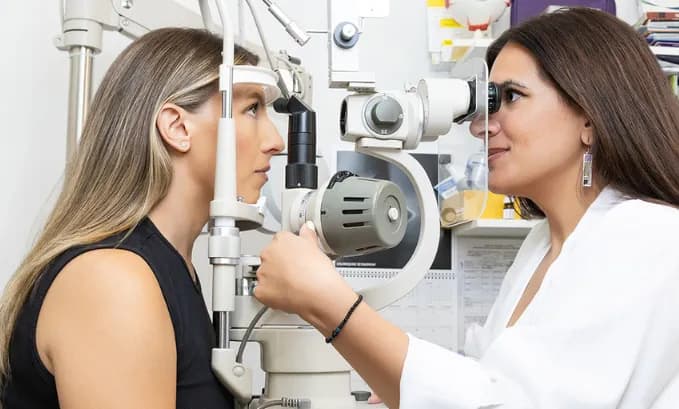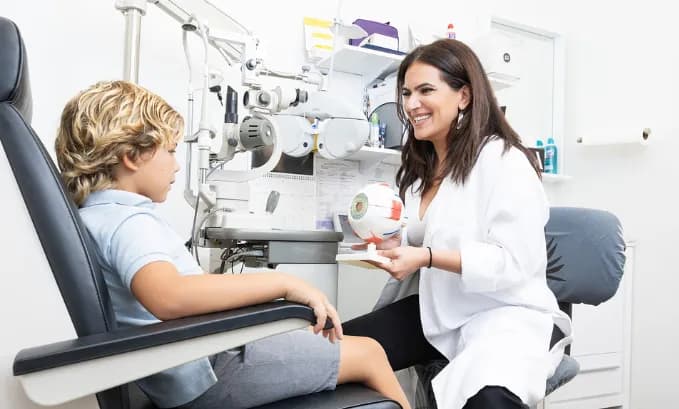
Regarding eye health, it is imperative that your eye exam findings be as exact as they might be. Starting with exact prescriptions and a complete awareness of your visual demands, clear vision and eye comfort follow from At Optyx, we understand how important correct findings from every eye exam are for not just your vision but also your general quality of living.
Here are the best tips for accurate eye exam findings, thereby enabling you to maximize every visit to your eye care provider.
1. Be Honest About Your Visual Experiences
An eye test is about knowing your particular visual experience, not about reading letters on a chart. Your optometrist might probe you throughout the test about things like:
Do you get eye strain reading or using digital screens?
Are you light sensitive?
You find it difficult to see at night or concentrate on minute details?

Being honest about these problems enables your eye optometrist to customize the prescription or treatment and offer the most accurate eye exam. Many individuals ignore apparently little symptoms, but every detail might provide vital hints to help improve the exam findings.
2. Avoid Digital Screens Before Your Exam
Digital eye strain results from using digital devices such computers, tablets, and smartphones. This strain frequently includes dryness, transient blurriness, and trouble focusing. Try not to view digital screens for at least one hour before your eye test if you want the most accurate eye exam.
This provides a respite for your eyes and guarantees that digital eye strain won’t compromise any test assessing your eyesight.
3. Share Your Health and Medication History
Eye health can often reflect overall health, and certain health conditions or medications may affect your vision. Conditions such as diabetes, hypertension, and even high cholesterol can have an impact on your eyesight. Additionally, medications like antihistamines, antidepressants, and even some over-the-counter drugs can lead to dry eyes, blurry vision, or light sensitivity.
To help ensure the most accurate eye exam, let your optometrist know if you’re taking any medications or if you have any health conditions that could impact your eyes.
4. Wear Your Current Glasses or Contacts for the Most Accurate Eye Exam

Your present prescription provides a basis for your optometrist, therefore facilitating the identification of any changes in your eyesight. Wearing your current contacts or glasses lets the optometrist evaluate how well your present prescription is working and make any required changes.
If you wear contacts, you should wear them to the test; still, bring your glasses too. This lets professional determine if each type of corrective lens calls for different prescription adjustments.
5. Book Your Appointment During Optimal Hours
Think about the time of day you are booking your the most accurate eye exam. Especially when we’re rested, our eyes often seem more at ease and function better at particular times. If at all possible, avoid timing your eye test late in the evening or shortly after a demanding workday when you might be visually fatigued. Early morning or mid-day visits seem to produce better accurate findings for many people since the eyes are less likely to be strained or sleepy.
6. Come Prepared With Questions and Concerns For Most Accurate Eye Exam
Spend some time before the your visit listing any queries or worries you have concerning your vision. These might consist:
Problems with seeing at night
Particle sensitivity to certain lighting
Regular headaches while using digital screens or reading
blurriness within particular distances
Talking about these problems will help your optometrist to see any possible underlying visual problems and provide the most accurate eye exam. This readiness guarantees that during your test no detail is missed.
7. Rest and Hydrate for the Most Accurate Eye Exam
The health of your eyes depends critically on sleep and water. Being rested and hydrated helps lessen dryness and irritation, which can affect some eye exams. Make sure you get a full night’s sleep and sip lots of water before your exam.
Symptoms include dry or red eyes brought on by dehydration could affect the validity of several tests. Maintaining your eyes’ hydration and freshness by drinking water all day helps to guarantee their optimal condition for the test.
8. Avoid Caffeine Before Your Appointment
Mild pupil dilatation and, occasionally, jitteriness or anxiety can all be brought on by coffee. This can make it difficult to concentrate for some of the most accurate eye exam. A few hours before your appointment, think about eliminating caffeinated drinks like coffee or tea to help to limit the impact.
9. Follow All Instructions for Contact Lens Wearers
If you wear contact lenses, follow any pre-exam guidelines sent by your optometrist. To let your corneas calm, numerous tests call for you to take off your contacts several hours or even a day before the test. This guarantees that wear of contact lenses has no effect on any exam readings, so providing the most accurate prescription.

10. Relax During the Exam for Most Accurate Eye Exam
Many eye exams call for exact responses, particularly in relation to selecting which lens shows better refraction tests. Though it’s normal to be a little nervous about “getting it right,” try to calm yourself and respond most sincerely. Recall that there is no hurry, you can deliberate on which lens seems more accurate or superior.
11. Bring Sunglasses to Protect Your Eyes After Dilation
You might be wise to include sunglasses if your eye test calls for dilatation. Dilation raises the sensitivity of your eyes to light; bright surroundings could induce discomfort or blur vision. On your drive home after the most accurate eye exam, sunglasses can assist shield your eyes, increase your comfort level, and guarantee that your post-exam experience runs as seamless as it should.
12. Schedule Regular Eye Exams
Plan frequent eye exams to guarantee the most accurate eye exam among other things. Frequent visits let your optometrist monitor any visual changes and find possible problems early on. At Optyx, we advise at least once a year, or more often if you have particular issues regarding your eyesight or health, arranging an eye test. Maintaining best eye health and making sure your prescriptions are accurate depend on consistency.
Conclusion
Protecting your eye health and obtaining the finest possible vision depend on the most accurate eye exam. By following these tips for accurate eye exam — avoid screen time, remain hydrated, and prepare questions—you can significantly improve the result of your eye test. Optyx is ready to deliver a complete, the most accurate eye exam, that fits your requirement whether your visit is for a routine check-up or suspected vision issues.
Your eyes deserve the greatest treatment, hence by following these easy guidelines you can assist to guarantee that the findings of your eye exam are as accurate as they might be. Our dedication to quality and meticulous attention to detail at Optyx will help you at every stage of preserving ideal eye health. Plan your eye exam for now to experience the difference accuracy brings!