Maintaining your whole health and quality of life depends on your vision being taken care of. Routine eye exam is among the best strategies for preserving your vision. These tests are more than simply a vision check and they can also identify early stages of major eye diseases and even point to underlying medical problems.
What is a routine eye exam?

An optometrist does a thorough assessment of your vision and eye health during a routine eye exam. A routine eye checkup covers more ground than a routine eye exam than only deciding if you need glasses or contact lenses. It evaluates your eyes’ general state and can find early indicators of disorders that might not show symptoms at all in their early phases.
Your doctor will examine your eyes using a range of tests during a standard eye examination. Usually comprising exams for visual acuity (how clearly you see), eye alignment, depth perception, and peripheral vision, these tests Along with looking for any indicators of common eye diseases such macular degeneration, cataracts, and glaucoma, the test also covers Furthermore exposing health issues including diabetes, high blood pressure, and even some forms of cancer is acommon eye exam.
What is included in a routine eye exam?
Usually consisting of multiple tests to assess the health and functioning of your eyes, a routine eye exam Most standard eye exams contain the following elements, regardless of the patient’s age, health background, or present symptoms:
The Visual Acuity Test is The most familiar section of the test is where you use a chart to read letters to measure your visual acuity.
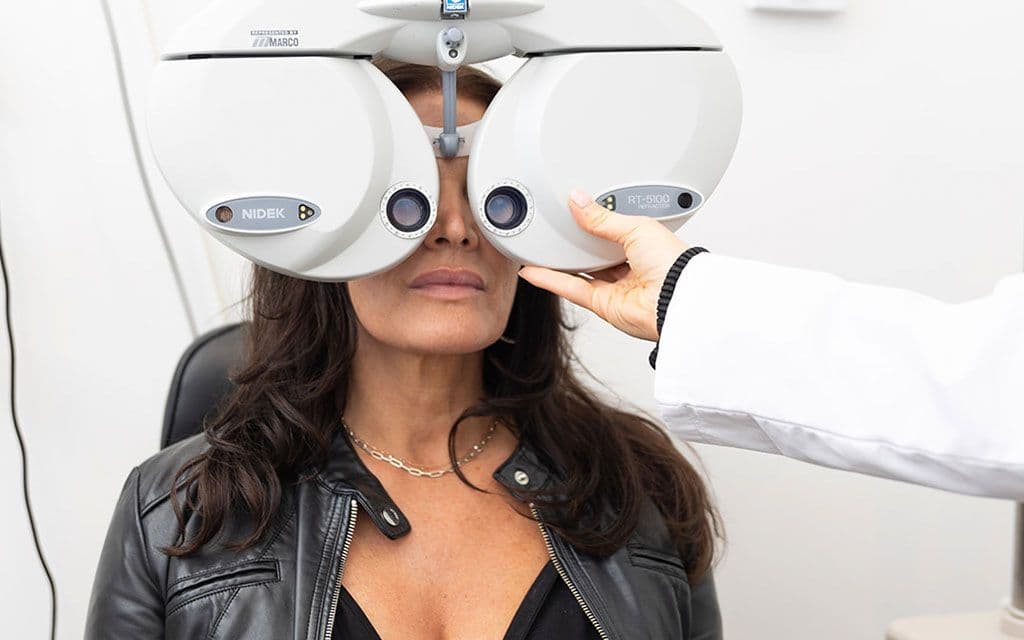
The Refraction Test guides your prescription for either contact lenses or spectacles. The optometrist asks which of the several lenses she presents you make your eyesight sharper using a phoropter.
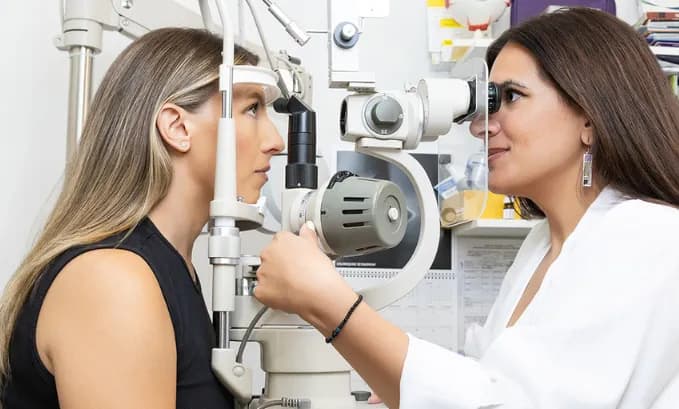
Exam based on slit-lamps: Examining the front portion of your eye—including the cornea, iris, and lens—a slit light lets the doctor look for anomalies or indications of disease.
The doctor may dilate your pupils with eye drops to better view the retina and optic nerve in the rear of the eye. This can expose conditions including diabetic retinopathy or macular degeneration.
An essential indicator of diseases like glaucoma, tonometry tests your eye’s internal pressure.
The Eye Muscle Test guarantees correct alignment and operation of the muscles regulating eye movement.
Through routine eye exam, a standard eye exam can identify early warning indicators of vision issues or diseases potentially compromising your eyesight. Preserving your vision depends on routine eye exam, particularly as you get older.
Routine eye exam cost
Many people share a regular worry about how much is a routine eye exam. Your location, the kind of eye care professional you visit, and whether you have insurance will all affect the cost of an eye test. A routine eye exam without insurance usually runs between $50 and $250 on average. Examining those with vision insurance could be fully or partially covered, therefore lowering out-of-pocket costs.
It’s important to weigh the long-term advantages of annual eye checkups even if one wonders how much they cost. Frequent eye exams help identify early on issues, so avoiding later, more expensive procedures. When coupled with the purchase of glasses or contact lenses, many suppliers offer package deals or savings on tests, thereby making a reasonable investment in your eye health.
Why Routine Eye Exams Are Crucially Important
One cannot emphasize the need of routine eye exam. Maintaining your vision and stopping vision loss depend on these tests in great part. The following are some of the main causes of the great relevance of regular eye exams:
- Early Eyeword Conditions Detection
Many eye conditions, including macular degeneration and glaucoma, start slowly and without symptoms. By the time you observe changes in eyesight, major damage could have already done. Early detection of these diseases made possible by routine eye tests lets one treat them before permanent vision loss results. - Preserving Maximum Vision
Regular eye exams are crucial to guarantee your prescription is current for individuals who wear contact lenses or glasses. Your vision will change with time; an outdated prescription might cause headaches, eye strain, and fuzzy vision. A regular eye check will guarantee your best possible clarity. - Tracking General Wellness
Your eyes offer a peek into your general state of health. Optometrists can find early indicators of health problems including diabetes, high blood pressure, high cholesterol, and even some cancers during a normal eye checkup. Early identification of these problems can result in fast medical intervention, therefore possibly saving lives. - Minimizing Digital Age Eye Strain
Increasing time spent in front of screens has made eye strain a regular problem. Regular eye tests can help with the consequences of extended screen time including dry eyes, headaches, and trouble focusing. To ease strain, your eye doctor may advise screen breaks or blue light filtering lenses. - Growing Children’s Vision
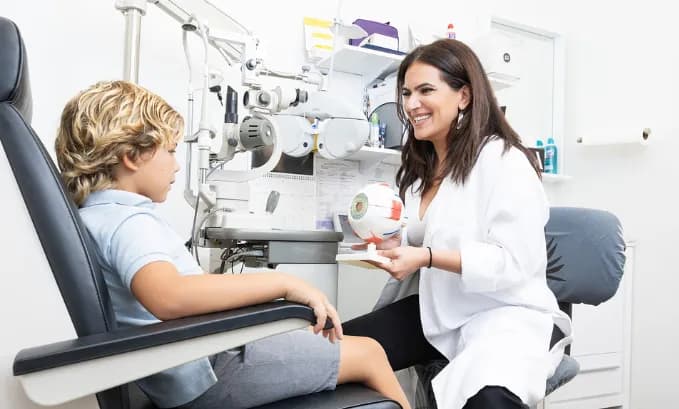
Children as well as adults depend on routine eye exams in great measure. Children’s vision issues can compromise their learning and development. Regular tests guarantee early identification of any visual problems, so enabling appropriate correction and guaranteeing your child’s ability to flourish in daily life and at school.
How Often Should One Get a Routine Eye Exam?

Age, health, and whether you have current vision problems all affect the frequency of routine eye checkups. Generally, the following rules apply:
Adults (18–60 years old) If you wear corrective lenses, it is advised to have an eye checkup more often—every two years or more regularly.
Those over 60: Given the rising risk of age-related eye diseases, annual eye exams are advised.
Teens and children: Starting as early as six months of age to assure appropriate vision development, routine eye exams are advised every one to two years.
Should you have any current medical issues, such diabetes or a family history of eye disease, your doctor could advise more frequent visits to track eye condition.
Conclusion
Maintaining your general health and well-being depends mostly on regular eye exams. From spotting early symptoms of major eye diseases to guaranteeing the best vision and revealing underlying medical problems, frequent eye tests clearly have benefits. Investing in regular eye exams is a crucial first step toward preserving your vision and ensuring a lifetime of good sight. The simple response to your questions about the cost of a routine eye exam or whether it is worth it is that this is among the best investments you can make in your health.
At Optyx in New York, we prioritize your eye health with comprehensive exams tailored to detect and address any vision concerns early on. Plan your routine eye checkup today and start your journey toward improved eye health with Optyx, before vision issues develop.